
Bat conservation
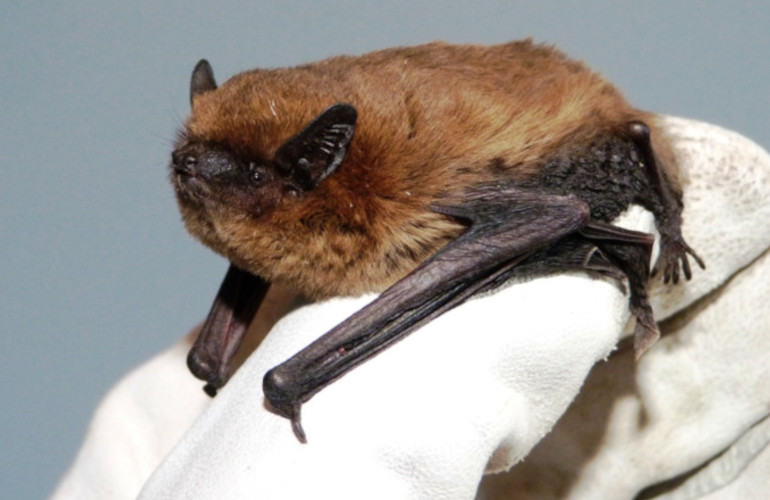
Every summer, thousands of people venture out to experience the wonder of bats in their natural environment. Sadly, bat populations have suffered severe declines during the past century, but here at Midnorth Ecology we assist the Bat Conservation Trust and more than 100 local bat groups to help our bats hang on.
UK Resident bat species
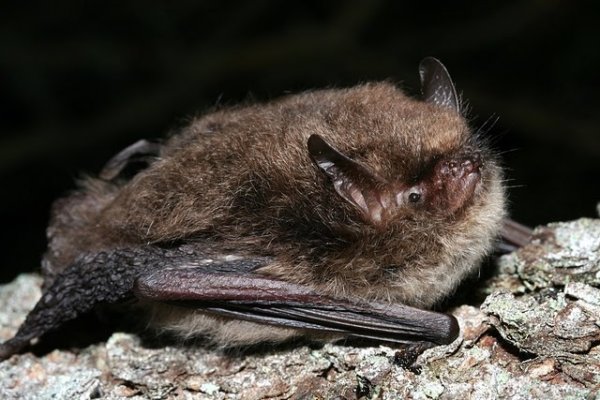
Alcathoe bat
The latest addition to the UK bat family, only being confirmed as a resident species in 2010 due to its similarity to the whiskered and Brandt's bat species.
Latin: Myotis alcathoe
Listen:
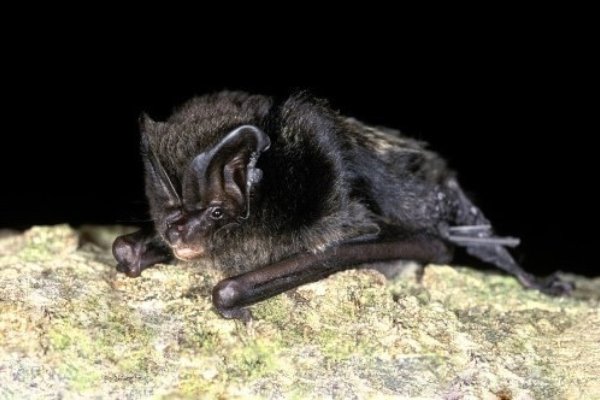
Barbastelle
A rare and distinctive bat with a pug-like face and large, wide ears.
Latin: Barbastella barbastellus
Listen:
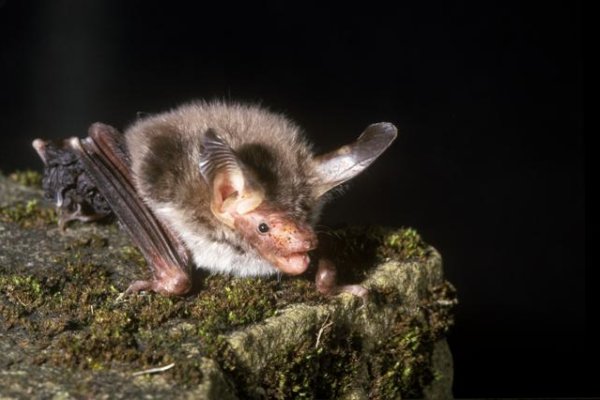
Bechstein's bat
One of our rarest bats, found in parts of southern England and south east Wales.
Latin: Myotis bechsteinii
Listen:
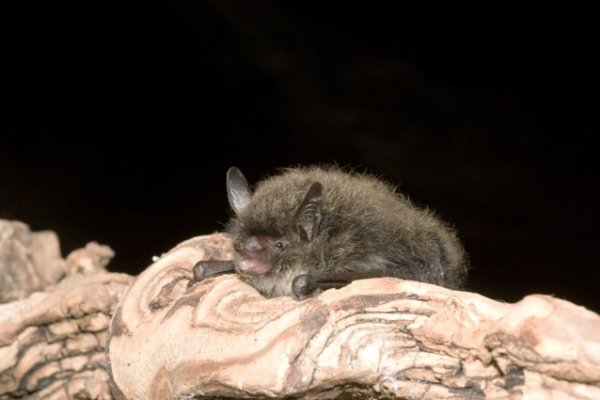
Brandt's bat
Very similar to the whiskered bat, only being separated as distinct species in 1970.
Latin: Myotis brandtii
Listen:
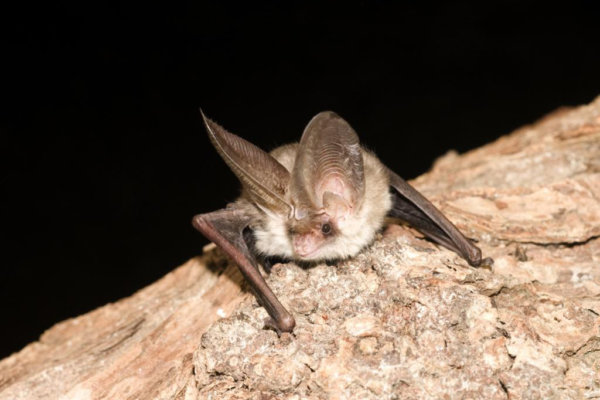
Brown long-eared bat
This bat's huge ears provide exceptionally sensitive hearing - it can even hear a ladybird walking on a leaf!
Latin: Plecotus auritus
Listen:
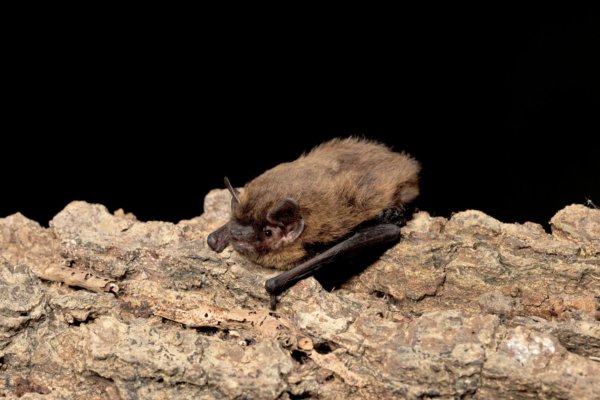
Common pipistrelle
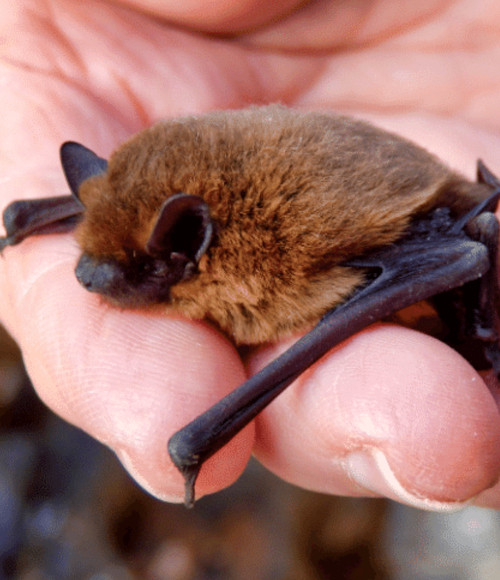
Pipistrelles are the commonest British bats, weighing around 5 grams (same as a 20p piece). A single pipistrelle can eat 3,000 tiny insects in just one night!
Latin: Pipistrellus pipistrellus
Listen:
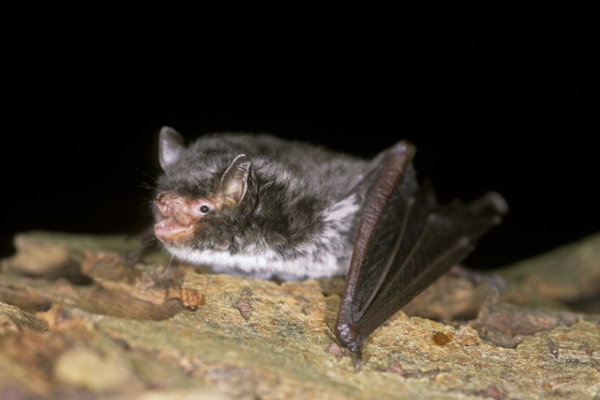
Daubenton's bat
Known as the 'water bat', Daubenton's bats fish insects from the water's surface with their large feet or tail.
Latin: Myotis daubentonii
Listen:
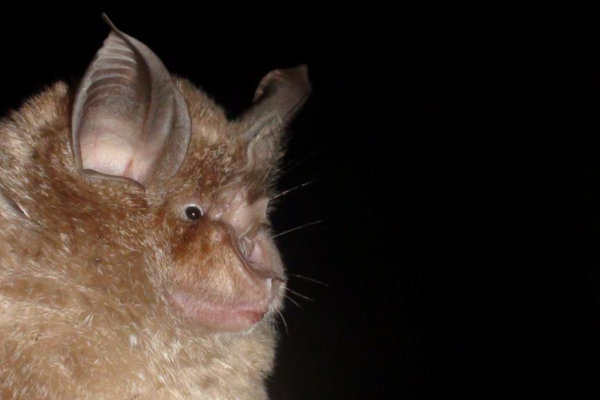
Greater horseshoe bat
Horseshoe bats possess a distinctive horseshoe-shaped noseleaf.
Latin: Rhinolophus ferrumequinum
Listen:
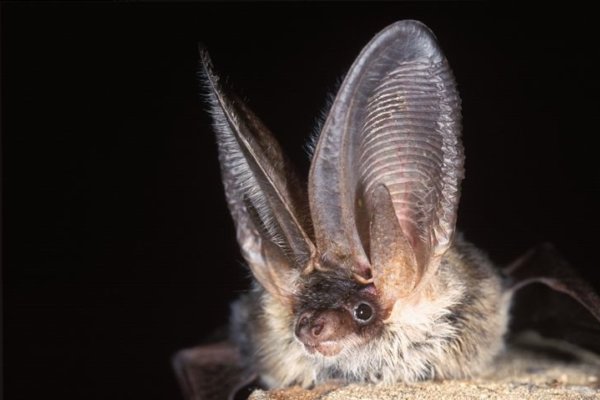
Grey long-eared bat
This bat is generally a little larger than the brown long-eared bat and has a dark face.
Latin: Plecotus austriacus
Listen:
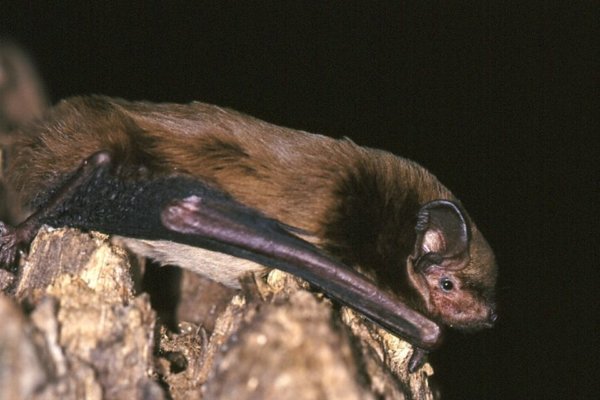
Leisler's bat
Also known as the 'hairy-armed bat', it's similar to the noctule but smaller with longer fur.
Latin: Nyctalus leisleri
Listen:
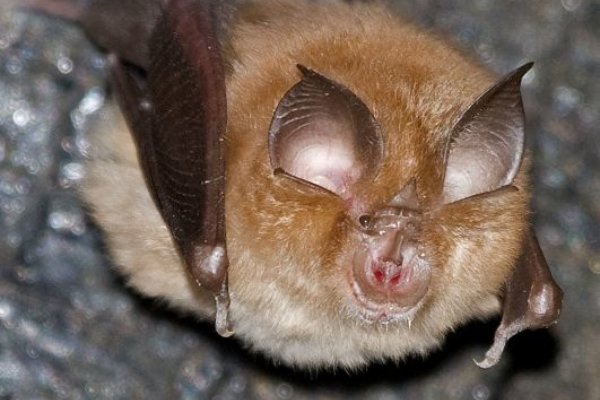
Lesser horseshoe bat
Able to wrap its wings completely around its body while at rest, differing from the greater horseshoe bat whose face can usually be seen.
Latin: Rhinolophus hipposideros
Listen:
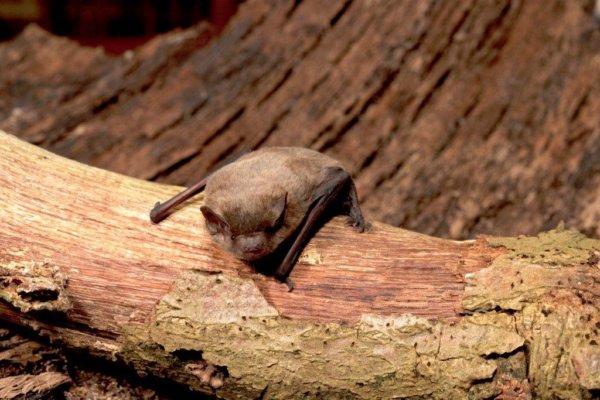
Nathusius' pipistrelle
A previous migrant species, it has only been classed as a resident species since 1997.
Latin: Pipistrellus nathusii
Listen:
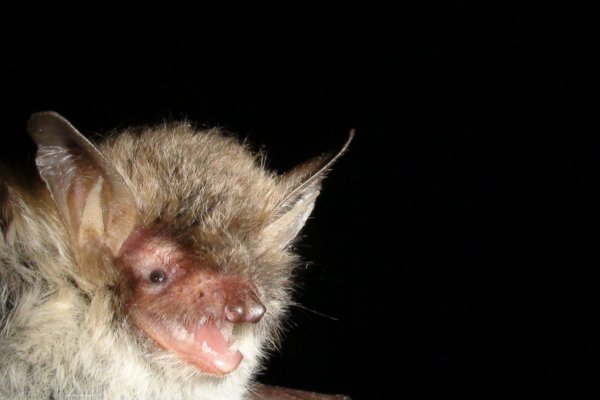
Natterer's bat
Its broad wings enable it to fly slowly and prey on a wide variety of insects, even snatching spiders from their webs!
Latin: Myotis nattereri
Listen:
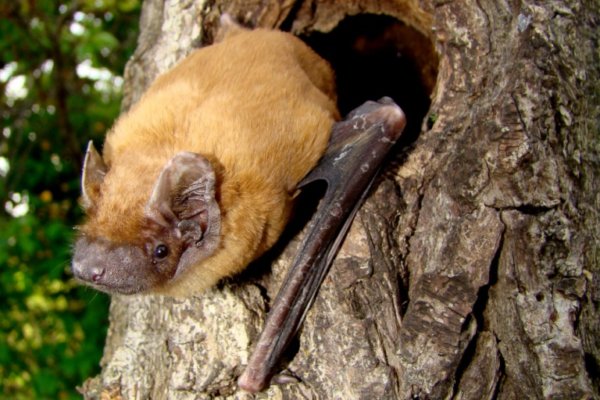
Noctule
This bat has long narrow wings and flies in a straight line, very high and fast. It's our biggest bat, but it's still smaller than the palm of your hand!
Latin: Nyctalus noctula
Listen:
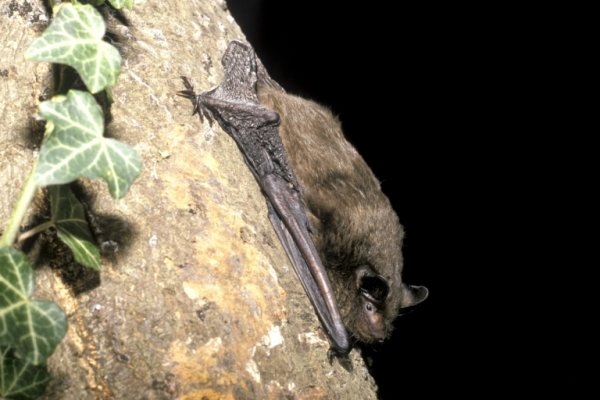
Serotine
The Serotine has broad wings and a leisurely flapping flight.
Latin: Eptesicus serotinus
Listen:
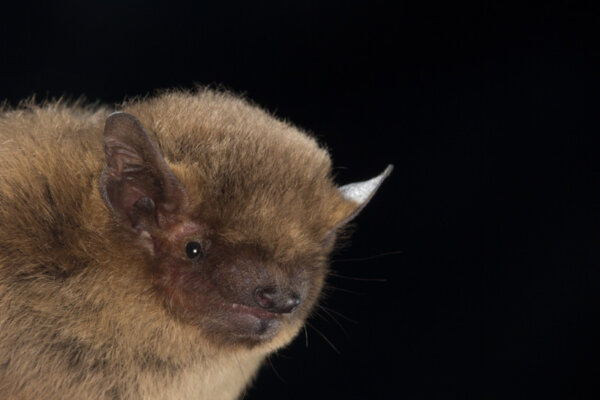
Soprano pipistrelle
Similar to common pipistrelle but distinguished by its higher frequency echolocation call.
Latin: Pipistrellus pygmaeus
Listen:
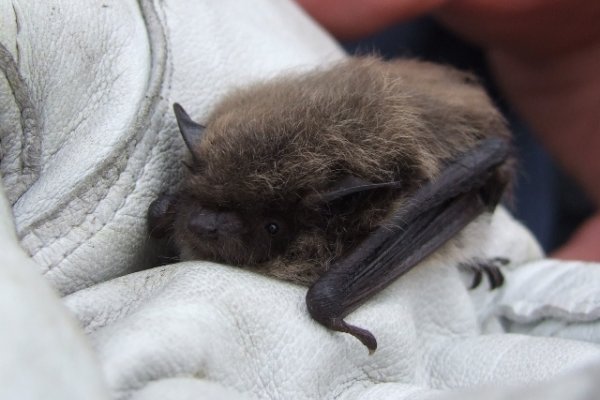
Whiskered bat
Slightly smaller than Brandt's bat but sharing the same shaggy fur.
Latin: Myotis mystacinus
Listen:
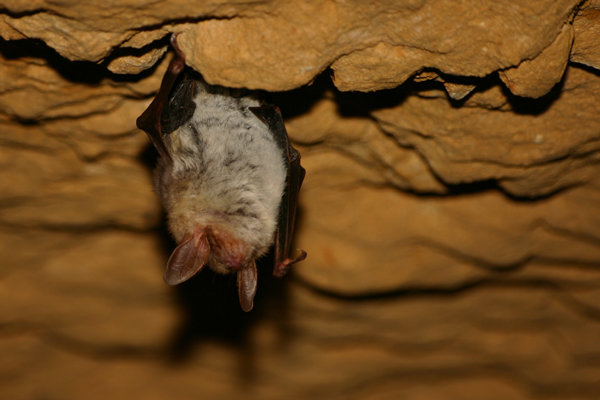
Greater mouse-eared bat
This bat was officially declared extinct in 1990, but a solitary individual has been hibernating in southern England since 2002.
Latin: Myotis myotis
Listen:
In Britain all bat species and their roosts are legally protected, by both domestic and international legislation.
This means you may be committing a criminal offence if you:
- Deliberately take , injure or kill a wild bat
- Intentionally or recklessly disturb a bat in its roost or deliberately disturb a group of bats.
- Damage or destroy a place used by bats for breeding or resting (roosts) (even if bats are not occupying the roost at the time)
- Possess or advertise/sell/exchange a bat of a species found in the wild in the EU (dead or alive) or any part of a bat.
- Intentionally or recklessly obstruct access to a bat roost.
Please refer to the legislation for the precise wording - the above is a brief summary only.
- • Property owners/householders who have a bat roost in their property.
- • Woodland owners, arboriculturists and foresters.
- • Pest controllers.
- • Planning officers & building surveyors.
- • Architects, property developers, demolition companies, builders and roofers.
- • In England and Wales, the relevant legislation is the Wildlife and Countryside Act (1981) (as amended); the Countryside and Rights of Way Act, 2000; the Natural Environment and Rural Communities Act (NERC, 2006); and by the Conservation of Habitats and Species Regulations (2017).
- • In Scotland, the key legislation that applies is the Conservation (Natural Habitats &c.) Regulations 1994 (as amended).
- • In Northern Ireland bats are listed under Schedule 2 of the Conservation (Natural Habitats etc) Regulations (Northern Ireland) 1995 and in the Republic of Ireland, under Schedule 5 of the Wildlife Act 1976 and Schedule 1 of the European Communities (Natural Habitats) Regulations 1997.
Defences include:
- • Tending/caring for a bat solely for the purpose of restoring it to health and subsequent release.
- • Mercy killing where there is no reasonable hope of recovery (provided that person did not cause the injury in the first place - in which case the illegal act has already taken place).
Penalties on conviction – people committing bat crimes can face six months imprisonment and/or unlimited fines. Additionally any profits made as a consequence of not following lawful process can be confiscated and items used to commit the offences such as vehicles, plant or machinery can be forfeited.
Licences to permit illegal activities relating to bats and their roost sites can be issued for specific purposes and by specific licensing authorities in each country. These are sometimes called 'derogation licences' or 'European Protected Species' licences, and are issued under the Habitats Regulations. It is an offence not to comply with the terms and conditions of a derogation licence. If you carry out work affecting bats or roosts without a licence, you will be breaking the law.
Related services
We specialise in bat conservation consulting and offer a variety of services that focus on the conservation of the UK bat population.
-
Bat Preliminary Roost Assessment (PRA) of buildings, structures, and trees
-
Bat emergence/re-entry surveys, activity transects, static recording
-
Habitats Regulations Assessment (HRA)/Appropriate Assessment
-
European-Protected Species (EPS) surveys
-
UKHab surveys
Alcathoe bat
The latest addition to the UK bat family, only being confirmed as a resident species in 2010 due to its similarity to the whiskered and Brandt's bat species.
Latin: Myotis alcathoe
Latin: Myotis alcathoe
Listen:
Barbastelle
A rare and distinctive bat with a pug-like face and large, wide ears.
Latin: Barbastella barbastellus
Latin: Barbastella barbastellus
Listen:
Bechstein's bat
One of our rarest bats, found in parts of southern England and south east Wales.
Latin: Myotis bechsteinii
Latin: Myotis bechsteinii
Listen:
Brandt's bat
Very similar to the whiskered bat, only being separated as distinct species in 1970.
Latin: Myotis brandtii
Latin: Myotis brandtii
Listen:
Brown long-eared bat
This bat's huge ears provide exceptionally sensitive hearing - it can even hear a ladybird walking on a leaf!
Latin: Plecotus auritus
Latin: Plecotus auritus
Listen:
Common pipistrelle
Pipistrelles are the commonest British bats, weighing around 5 grams (same as a 20p piece). A single pipistrelle can eat 3,000 tiny insects in just one night!
Latin: Pipistrellus pipistrellus
Latin: Pipistrellus pipistrellus
Listen:
Daubenton's bat
Known as the 'water bat', Daubenton's bats fish insects from the water's surface with their large feet or tail.
Latin: Myotis daubentonii
Latin: Myotis daubentonii
Listen:
Greater horseshoe bat
Horseshoe bats possess a distinctive horseshoe-shaped noseleaf.
Latin: Rhinolophus ferrumequinum
Latin: Rhinolophus ferrumequinum
Listen:
Grey long-eared bat
This bat is generally a little larger than the brown long-eared bat and has a dark face.
Latin: Plecotus austriacus
Latin: Plecotus austriacus
Listen:
Leisler's bat
Also known as the 'hairy-armed bat', it's similar to the noctule but smaller with longer fur.
Latin: Nyctalus leisleri
Latin: Nyctalus leisleri
Listen:
Lesser horseshoe bat
Able to wrap its wings completely around its body while at rest, differing from the greater horseshoe bat whose face can usually be seen.
Latin: Rhinolophus hipposideros
Latin: Rhinolophus hipposideros
Listen:
Nathusius' pipistrelle
A previous migrant species, it has only been classed as a resident species since 1997.
Latin: Pipistrellus nathusii
Latin: Pipistrellus nathusii
Listen:
Natterer's bat
Its broad wings enable it to fly slowly and prey on a wide variety of insects, even snatching spiders from their webs!
Latin: Myotis nattereri
Latin: Myotis nattereri
Listen:
Noctule
This bat has long narrow wings and flies in a straight line, very high and fast. It's our biggest bat, but it's still smaller than the palm of your hand!
Latin: Nyctalus noctula
Latin: Nyctalus noctula
Listen:
Serotine
The Serotine has broad wings and a leisurely flapping flight.
Latin: Eptesicus serotinus
Latin: Eptesicus serotinus
Listen:
Soprano pipistrelle
Similar to common pipistrelle but distinguished by its higher frequency echolocation call.
Latin: Pipistrellus pygmaeus
Latin: Pipistrellus pygmaeus
Listen:
Whiskered bat
Slightly smaller than Brandt's bat but sharing the same shaggy fur.
Latin: Myotis mystacinus
Latin: Myotis mystacinus
Listen:
Greater mouse-eared bat
This bat was officially declared extinct in 1990, but a solitary individual has been hibernating in southern England since 2002.
Latin: Myotis myotis
Latin: Myotis myotis
Listen:
In Britain all bat species and their roosts are legally protected, by both domestic and international legislation.
This means you may be committing a criminal offence if you:
This means you may be committing a criminal offence if you:
- Deliberately take , injure or kill a wild bat
- Intentionally or recklessly disturb a bat in its roost or deliberately disturb a group of bats.
- Damage or destroy a place used by bats for breeding or resting (roosts) (even if bats are not occupying the roost at the time)
- Possess or advertise/sell/exchange a bat of a species found in the wild in the EU (dead or alive) or any part of a bat.
- Intentionally or recklessly obstruct access to a bat roost.
- • Property owners/householders who have a bat roost in their property.
- • Woodland owners, arboriculturists and foresters.
- • Pest controllers.
- • Planning officers & building surveyors.
- • Architects, property developers, demolition companies, builders and roofers.
- • In England and Wales, the relevant legislation is the Wildlife and Countryside Act (1981) (as amended); the Countryside and Rights of Way Act, 2000; the Natural Environment and Rural Communities Act (NERC, 2006); and by the Conservation of Habitats and Species Regulations (2017).
- • In Scotland, the key legislation that applies is the Conservation (Natural Habitats &c.) Regulations 1994 (as amended).
- • In Northern Ireland bats are listed under Schedule 2 of the Conservation (Natural Habitats etc) Regulations (Northern Ireland) 1995 and in the Republic of Ireland, under Schedule 5 of the Wildlife Act 1976 and Schedule 1 of the European Communities (Natural Habitats) Regulations 1997.
Defences include:
- • Tending/caring for a bat solely for the purpose of restoring it to health and subsequent release.
- • Mercy killing where there is no reasonable hope of recovery (provided that person did not cause the injury in the first place - in which case the illegal act has already taken place).
Licences to permit illegal activities relating to bats and their roost sites can be issued for specific purposes and by specific licensing authorities in each country. These are sometimes called 'derogation licences' or 'European Protected Species' licences, and are issued under the Habitats Regulations. It is an offence not to comply with the terms and conditions of a derogation licence. If you carry out work affecting bats or roosts without a licence, you will be breaking the law.
Related services
We specialise in bat conservation consulting and offer a variety of services that focus on the conservation of the UK bat population.
- Bat Preliminary Roost Assessment (PRA) of buildings, structures, and trees
- Bat emergence/re-entry surveys, activity transects, static recording
- Habitats Regulations Assessment (HRA)/Appropriate Assessment
- European-Protected Species (EPS) surveys
- UKHab surveys